Soft Homemade Flatbread Recipe
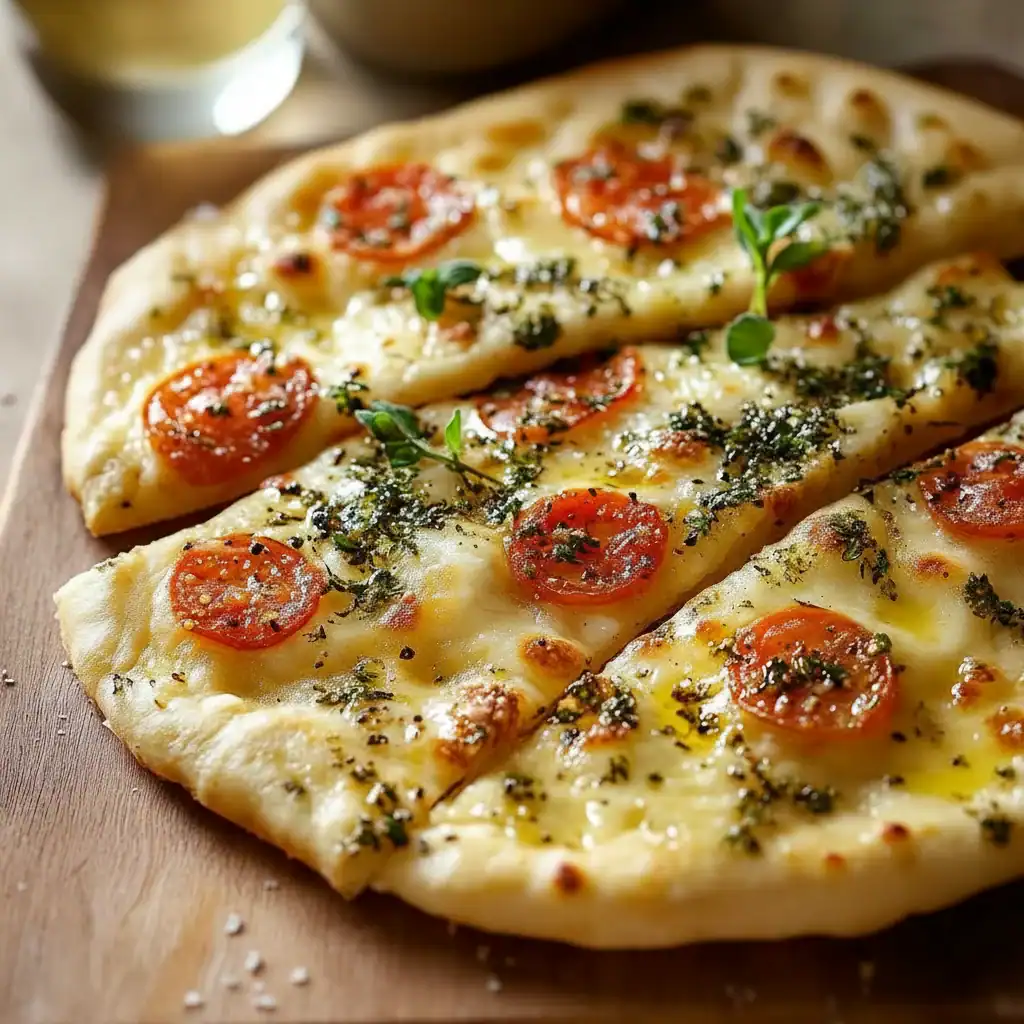
There’s something deeply satisfying about making your own bread from scratch. The scent that fills the kitchen, the warmth of the dough in your hands—it’s a simple joy. And when it comes to bread, this easy flatbread recipe is the one I turn to time and time again. There’s no yeast, no proving, and no complicated steps. Just a handful of simple ingredients that transform into soft, pliable, and utterly delicious flatbreads in less than half an hour. I’ve been making this for over 7 years, and it never disappoints.
What makes this particular bread recipe so special is its incredible versatility and pillowy texture. The dough, enriched with natural yoghurt, yields a wonderfully tender crumb, while a hot, dry pan creates beautiful charred spots that add a hint of smoky depth. We’re not just making a side dish here; we’re creating the perfect vehicle for scooping up rich curries, wrapping around succulent grilled meats, or simply tearing and dipping into a vibrant bowl of hummus. It’s the kind of cooking that feels both rustic and rewarding.
This recipe is for anyone who thought bread-making was too time-consuming for a weeknight. It’s for families who want to get their hands a little floury and make something together. Whether you’re planning a relaxed weekend lunch or need something to accompany a hearty stew, these homemade flatbreads will elevate your meal. They have a wholesome, genuine quality that you just can’t get from a shop-bought packet.
Recipe Overview
This flatbread recipe uses a simple yoghurt-based dough that requires no yeast or long resting times. The result is a soft, slightly chewy flatbread with a beautiful golden-brown exterior. I’ve found that even a short 10-minute rest for the dough makes a noticeable difference to the final texture, allowing it to become much more pliable and easy to roll. Expect a dough that is soft and slightly sticky to the touch, which cooks up in minutes on a hot, dry frying pan.
- Prep Time: 15 minutes (includes resting)
- Cook Time: 15 minutes
- Total Time: 30 minutes
- Servings: Makes 8 flatbreads (serves 4)
- Difficulty: Easy
Why You’ll Love This Flatbread Recipe
- Genuine Flavour: The combination of plain flour and natural yoghurt gives these flatbreads a subtle, pleasant tang that complements a huge range of dishes without overpowering them. They taste wholesome and fresh.
- Ready in About 30 Minutes: From gathering your ingredients to stacking the warm, finished flatbreads, the whole process is wonderfully efficient and fits neatly into a busy evening.
- Flexible Recipe: You can easily infuse the dough with other flavours. Try adding a teaspoon of nigella seeds, some finely chopped fresh coriander, or a pinch of garlic granules to the dry ingredients for a new twist.
- Great for Soaking and Scooping: Their soft, sturdy texture works beautifully for mopping up the last bits of a tasty sauce, like in our Sticky Chicken Rice Bowls, or for dipping into homemade soups and stews.
- Family Tested: My children adore these, and it’s one of those recipes they can genuinely help with. They love kneading the dough and watching the flatbreads puff up in the pan, which always gets compliments from everyone.

Ingredients You’ll Need
The beauty of this bread recipe is its short and accessible ingredient list. You likely have most of these items in your pantry and fridge already. I always use a full-fat natural yoghurt like Fage Total as its thickness creates a wonderfully soft and easy-to-handle dough.
- 300g plain flour, plus extra for dusting
- 1 ½ tsp baking powder
- ¾ tsp fine sea salt
- 180g full-fat natural yoghurt
- 2 tbsp olive oil, plus a little extra for brushing (optional)
- For finishing (optional):
- 25g unsalted butter, melted
- 1 clove garlic, crushed
- 1 tbsp fresh parsley or coriander, finely chopped
Sara’s Tip: Don’t be tempted to use a low-fat yoghurt here. The fat content is crucial for achieving that tender, pillowy texture. If your dough feels a little too sticky, resist adding too much extra flour at first; just use a well-floured surface for kneading.
How to Make Flatbread
This process is very straightforward. We’ll mix the dough, give it a brief rest, then divide and cook each flatbread in a hot pan. The key is to work fairly quickly once you start cooking them to keep them warm and soft.
- Combine Dry Ingredients: In a large mixing bowl, whisk together the 300g of plain flour, 1 ½ tsp of baking powder, and ¾ tsp of salt. This ensures the baking powder and salt are evenly distributed.
- Form the Dough: Add the 180g of natural yoghurt and 2 tbsp of olive oil to the dry ingredients. Use a wooden spoon or spatula to mix until a shaggy dough begins to form.
- Knead Briefly: Tip the dough out onto a lightly floured work surface. Knead for 1-2 minutes, just until it comes together into a smooth, soft ball. It should feel slightly tacky but not overly sticky. I find that using the heel of my hand to push the dough away and then fold it back is the most effective technique.
- Rest the Dough: Place the dough back into the bowl, cover it with a clean tea towel, and let it rest for 10-15 minutes. This step is important as it allows the gluten to relax, making the dough much easier to roll out.
- Divide and Shape: After resting, place the dough back on your floured surface and divide it into 8 equal pieces. Roll each piece into a ball. Working one at a time, use a rolling pin to roll each ball into a rough circle about 15-18cm (6-7 inches) in diameter and about 2-3mm thick.
- Cook the Flatbreads: Heat a large, dry non-stick frying pan or cast-iron skillet over a medium-high heat. Once hot, carefully lay one flatbread in the pan. Cook for 60-90 seconds, until large bubbles start to form on the surface and the underside has golden-brown spots.
- Flip and Finish: Flip the flatbread and cook for another 60-90 seconds on the other side until it’s cooked through and lightly charred in places.
- Keep Warm and Serve: As each flatbread is cooked, you can optionally brush it with the melted garlic butter. Stack the finished flatbreads on a plate and cover them with a tea towel to keep them warm and soft while you cook the rest. Serve immediately.
Tips From My Kitchen
- Temperature Control: Your pan needs to be properly hot before the first flatbread goes in. If it’s not hot enough, the bread will cook too slowly and become tough. If it’s too hot, it will burn before cooking through. A medium-high heat is the sweet spot.
- The Secret Step: I learned that stacking the cooked flatbreads and covering them with a tea towel is crucial. This traps the steam, which makes them wonderfully soft and pliable. Don’t skip this!
- Make-Ahead: The dough can be made up to 24 hours in advance. Simply knead it, wrap it tightly in cling film, and store it in the refrigerator. Let it come to room temperature for about 30 minutes before rolling and cooking.
- Storage: Store any leftover flatbreads in an airtight container or zip-lock bag at room temperature for up to 2 days. To reheat, you can pop them in the toaster for a minute or warm them for 10-15 seconds in a hot, dry pan.
Equipment You’ll Need
You don’t need any highly specialised equipment for this simple bread recipe, which is part of its charm. Here are the basics:
- Large mixing bowl
- Rolling pin
- Large non-stick frying pan or cast-iron skillet
- Pastry brush (optional, for the garlic butter)
What to Serve With Flatbread
These flatbreads are incredibly versatile and complement so many different meals. Their simple flavour profile makes them an ideal partner for bolder dishes.
- With Curries and Stews: They are brilliant for scooping up a rich, flavourful sauce. They work wonderfully with our Black Pepper Chicken or a hearty lentil dahl.
- As a Wrap or Pizza Base: Use them as a base for a quick pizza by adding tomato purée, cheese, and your favourite toppings before grilling. Or, fill them with grilled halloumi, salad, and a dollop of yoghurt for a delicious lunch wrap.
- With Dips: Serve a warm stack alongside bowls of hummus, baba ghanoush, or a spicy tomato salsa for a fantastic starter or snack.
Frequently Asked Questions
Flatbread Recipe
Ingredients
Method
- Combine Dry Ingredients: In a large mixing bowl, whisk together the 300g of plain flour, 1 ½ tsp of baking powder, and ¾ tsp of salt. This ensures the baking powder and salt are evenly distributed.
- Form the Dough: Add the 180g of natural yoghurt and 2 tbsp of olive oil to the dry ingredients. Use a wooden spoon or spatula to mix until a shaggy dough begins to form.
- Knead Briefly: Tip the dough out onto a lightly floured work surface. Knead for 1-2 minutes, just until it comes together into a smooth, soft ball. It should feel slightly tacky but not overly sticky. I find that using the heel of my hand to push the dough away and then fold it back is the most effective technique.
- Rest the Dough: Place the dough back into the bowl, cover it with a clean tea towel, and let it rest for 10-15 minutes. This step is important as it allows the gluten to relax, making the dough much easier to roll out.
- Divide and Shape: After resting, place the dough back on your floured surface and divide it into 8 equal pieces. Roll each piece into a ball. Working one at a time, use a rolling pin to roll each ball into a rough circle about 15-18cm (6-7 inches) in diameter and about 2-3mm thick.
- Cook the Flatbreads: Heat a large, dry non-stick frying pan or cast-iron skillet over a medium-high heat. Once hot, carefully lay one flatbread in the pan. Cook for 60-90 seconds, until large bubbles start to form on the surface and the underside has golden-brown spots.
- Flip and Finish: Flip the flatbread and cook for another 60-90 seconds on the other side until it's cooked through and lightly charred in places.
- Keep Warm and Serve: As each flatbread is cooked, you can optionally brush it with the melted garlic butter. Stack the finished flatbreads on a plate and cover them with a tea towel to keep them warm and soft while you cook the rest. Serve immediately.
Notes
I really hope you give this flatbread recipe a try. It’s one of those fundamental recipes that has brought so much joy to my kitchen, turning simple meals into something a bit more special. There’s nothing quite like the taste of warm, homemade bread. If you make them, please let me know how you get on in the comments below. I’d love to hear about it!
– Sara