
Old Fashioned Beef Stew Recipe
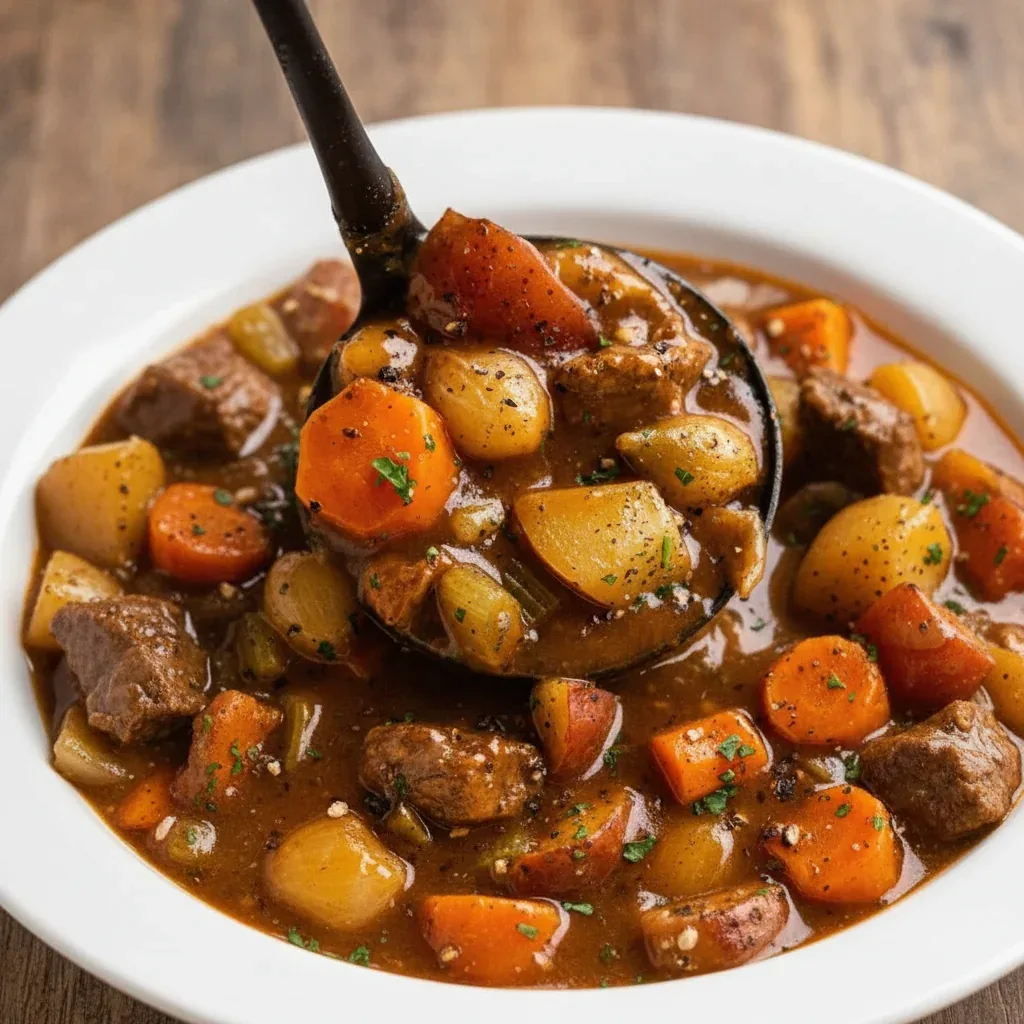
A Truly Traditional Old Fashioned Beef Stew Recipe for a Cosy Evening
When the weather turns cooler and the nights draw in, is there anything more comforting than a deeply satisfying meal that warms the very soul? We find that nothing answers that call quite like a beautifully prepared stew. We are thrilled to share what we consider the definitive Old Fashioned Beef Stew Recipe, a cherished classic that marries fall-apart beef with hearty vegetables in a gravy so sumptuous, you won’t want to waste a single drop.
Preparing this stew is about more than just following steps; it’s about creating an atmosphere. It’s the wonderful aroma that wafts through your home, the gentle burble of the pot, and the anticipation of a wholesome meal to enjoy with family and friends. We’re returning to the heart of good cooking—simple, high-quality ingredients and patient simmering to achieve a result that is both honest and extraordinarily tasty. Let’s begin.
Why You’ll Love This Recipe
- A Symphony of Rich Flavours: We carefully construct layers of taste throughout the cooking process. From the initial browning of the beef to the long, slow simmer in a savoury stock, every stage contributes to a stew with remarkable depth.
- Succulently Tender Beef: Our secret lies in the ‘low and slow’ method. This patient approach allows the beef’s connective tissues to melt away, turning a simple cut of meat into unbelievably tender pieces that fall apart at the touch of a fork.
- A Complete One-Pot Wonder: Brimming with protein and a generous helping of vegetables, this stew stands as a well-rounded meal on its own. It’s an ideal choice for a stress-free weeknight supper or a relaxed Sunday dinner.
- Even Better the Next Day: As with all the best stews, the flavours of this dish deepen and mature overnight. This makes it a superb option for preparing in advance for an even tastier meal later.
- The Ultimate Comfort Food: This recipe is the very essence of a comfort food dinner. It’s hearty, warming, and profoundly satisfying—a true balm for the soul on any day of the week.
Ingredients
- 900g chuck steak or braising steak, cut into 1.5-inch cubes
- 60g plain flour, seasoned with salt and black pepper
- 3 tbsp olive oil or beef dripping
- 2 large onions, roughly chopped
- 3 cloves garlic, minced
- 2 large carrots, peeled and cut into thick rounds
- 3 celery stalks, cut into 2-inch pieces
- 700g potatoes (Maris Piper or King Edward), peeled and cut into large chunks
- 2 tbsp tomato purée
- 150ml dry red wine (like Merlot or Cabernet Sauvignon, optional)
- 1.2 litres rich beef stock, preferably low-sodium
- 2 bay leaves
- 1 tbsp fresh thyme leaves (or 1 tsp dried thyme)
- 1 tbsp Worcestershire sauce
- Fresh parsley, chopped, for garnish
Step-by-Step Instructions for the Perfect Beef Stew
Crafting an exceptional beef stew is a rewarding process that relies on patience and proper technique. If you follow our guide, we’re confident you’ll achieve a perfect outcome every time.
1. Preparing the Beef
- Begin by thoroughly patting the beef pieces dry with a paper towel. This is a vital first step, as it helps the beef to sear and develop a rich crust, rather than simply steaming in the pan.
- In a spacious bowl, toss the dried beef with the seasoned flour until each piece has a light, even coating. Gently shake off any surplus flour. This coating aids in browning and will later serve to naturally thicken our stew.
2. Searing for Flavour
- Warm 2 tablespoons of the olive oil or beef dripping in a large, heavy-based casserole dish or Dutch oven over a medium-high heat.
- To ensure a good sear, work in batches. Add the beef to the hot pan, making sure not to overcrowd it, and brown it on all sides until a deep, dark crust has formed. This is the Maillard reaction, and it’s fundamental for creating that deep, savoury flavour.
- Using a slotted spoon, remove the browned beef from the dish and place it on a plate to one side. The caramelised bits left in the bottom of the dish are packed with flavour, so don’t discard them!
3. Building the Flavour Base
- Add the last tablespoon of oil to the same dish. Tip in the chopped onions, carrots, and celery. Sauté for 8-10 minutes, stirring now and then, until the vegetables are tender and the onions look glassy.
- Stir in the minced garlic and let it cook for one more minute until it becomes aromatic. Next, add the tomato purée and cook for another minute to enrich its taste and cook out any sharpness.
4. Deglazing the Pan and Bringing It All Together
- If you’re using red wine, pour it into the dish. As it bubbles, use a wooden spoon to scrape up all the flavourful brown bits from the base of the pan. Allow the wine to simmer and reduce by about half.
- Reintroduce the seared beef to the dish. Pour in the beef stock and add the bay leaves, thyme, Worcestershire sauce, and the chunks of potato. Give everything a good stir to combine.
- Bring the stew up to a gentle simmer. As soon as it begins to bubble, turn the heat down to its lowest setting, pop on a well-fitting lid, and let it do its thing.
5. The Slow Simmer
This is where the real transformation takes place. The secret to beautifully tender, slow cooked beef is allowing it plenty of time. Let the stew simmer very gently for a minimum of 2.5 to 3 hours. You can either leave it on the hob at the lowest possible heat or place it in an oven preheated to 160°C (140°C Fan). Give it an occasional stir to make sure nothing is catching on the bottom. The stew is ready when the beef is so tender it can be broken apart with a fork and the gravy has reached a lovely, thick consistency.
Tips for a Flawless Classic Beef Stew
To take your stew from merely good to truly memorable, we’ve compiled a few of our most trusted professional pointers.
- Select the Best Cut of Beef: The foundation of a great classic beef stew is the meat. Resist the urge to use lean, expensive cuts. Instead, opt for cuts rich in connective tissue and marbling, such as chuck steak, braising steak, or beef shin. These cuts break down beautifully over a long cooking period, resulting in juicy, tender meat. For further guidance on choosing the right cut, this guide to cooking beef from BBC Good Food is a fantastic resource.
- Avoid Overcrowding the Pan: When browning the beef, it’s essential to work in smaller batches. If you put too much meat in the pan at once, it lowers the temperature and causes the beef to steam rather than sear, which means you lose out on a crucial layer of flavour.
- Vary Your Vegetables: This recipe provides an excellent foundation for a hearty vegetable stew. Feel free to introduce other root vegetables like parsnips or swede alongside the carrots. Adding mushrooms for the last 30 minutes of cooking time also contributes a wonderful, earthy richness.
- Season at the End: As the stock reduces during cooking, its flavour will become more concentrated. For this reason, we always advise waiting until the stew is finished before tasting and adjusting the seasoning. Add salt and freshly ground black pepper to your liking.
What to Serve with Your Beef Stew
While this stew is certainly a substantial meal in its own right, the perfect side dish can elevate it further. We adore serving it alongside a generous mound of creamy mashed potatoes, perfect for soaking up that wonderful gravy. A hunk of crusty bread or some warm rolls are also essential for mopping up the bowl. For an authentic and traditional finish, you could add fluffy dumplings to the top of the stew for the final 20-25 minutes of cooking time.
Although we love a rich and hearty stew, we also appreciate having a variety of comforting meals to choose from. For an equally satisfying dish with a different flavour, our Garlic Parmesan Chicken Pasta Recipe is a guaranteed hit with everyone.
Making a Healthy Beef Stew
Is it possible for a stew this rich and comforting to also be healthy? We say yes! By making a few small adjustments, you can create a wonderful Healthy Beef Stew that doesn’t compromise on taste.
- Trim Excess Fat: Take a moment to carefully trim away any large, obvious pieces of fat from the beef before you begin cooking.
- Be Generous with Vegetables: Don’t hold back on the veggies. You can easily increase the amount of carrots, celery, and onions, or add others like leeks, peas, or green beans for an extra boost of nutrients and fibre.
- Choose Low-Sodium Stock: Using a low-sodium beef stock gives you complete control over the salt level of your finished stew. You can always season it to taste at the very end.
- Be Mindful of Portions: This is a very filling stew, so a modest serving is usually more than enough. Serving it in slightly smaller bowls can help with portion control.
Comfort food is all about balance, and it’s always great to have a collection of reliable recipes. If you’re searching for other fulfilling yet health-conscious meals, we think you’ll enjoy our Low Carb Chicken Casserole.
FAQ
A Timeless Classic to Cherish
There’s a special kind of satisfaction that comes from perfecting a recipe that has been enjoyed for generations. This old fashioned beef stew is not just a meal; it’s a taste of culinary heritage, a dependable source of warmth, and a dish that will always be in fashion. We have put all our passion for classic home cooking into this guide, hoping to give you all you need to create a stew that is rich, deeply flavourful, and wonderfully comforting.
So, it’s time to put on your apron, assemble your ingredients, and enjoy the slow, satisfying journey of making this fantastic dish. We truly hope you feel the joy of sharing this stew with your loved ones. We’d love to hear how you get on, so please share your experiences in the comments section below!
Recipe Card
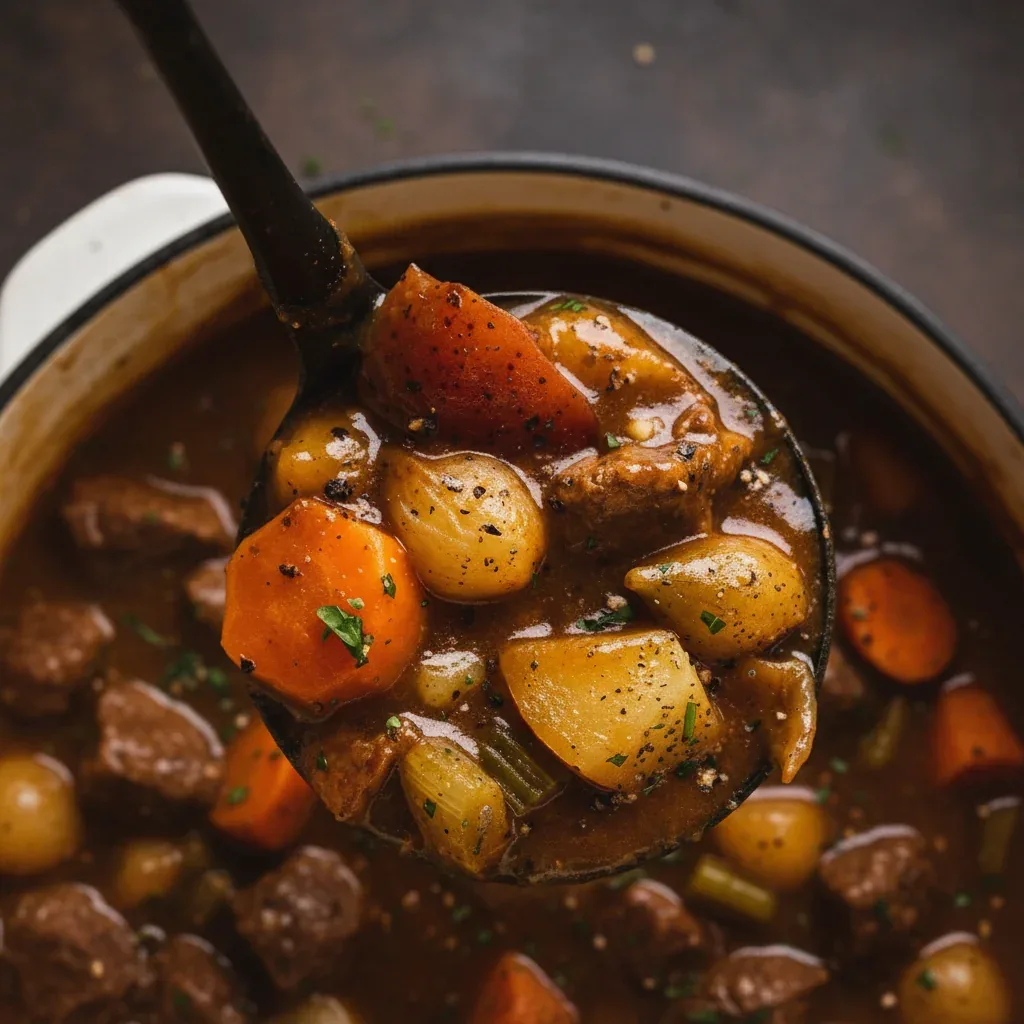
Ingredients
- 900g chuck steak or braising steak, cut into 1.5-inch cubes
- 60g plain flour, seasoned with salt and black pepper
- 3 tbsp olive oil or beef dripping
- 2 large onions, roughly chopped
- 3 cloves garlic, minced
- 2 large carrots, peeled and cut into thick rounds
- 3 celery stalks, cut into 2-inch pieces
- 700g potatoes, peeled and cut into large chunks
- 2 tbsp tomato purée
- 150ml dry red wine (optional)
- 1.2 litres rich beef stock
- 2 bay leaves
- 1 tbsp fresh thyme leaves
- 1 tbsp Worcestershire sauce
- Fresh parsley, chopped, for garnish
Instructions
- Pat the beef dry and toss in the seasoned flour until lightly coated.
- Heat 2 tbsp of oil in a large casserole dish over medium-high heat. Working in batches, sear the beef on all sides until a deep brown crust forms. Remove the beef and set aside.
- Add the remaining 1 tbsp of oil to the dish. Sauté the onions, carrots, and celery for 8-10 minutes until softened.
- Stir in the garlic and cook for 1 minute until fragrant, then stir in the tomato purée and cook for another minute.
- If using, pour in the red wine and scrape any browned bits from the bottom of the pan. Allow it to simmer and reduce by half.
- Return the seared beef to the dish. Add the beef stock, bay leaves, thyme, Worcestershire sauce, and potatoes. Stir to combine.
- Bring to a simmer, then reduce the heat to low, cover with a lid, and cook for 2.5 to 3 hours, or until the beef is fall-apart tender and the gravy has thickened.
- Taste and adjust seasoning with salt and pepper as needed. Garnish with fresh parsley before serving.
570 calories,
41g carbs,
36g protein,
29g fat