London Broil Recipe Easy Juicy Steak
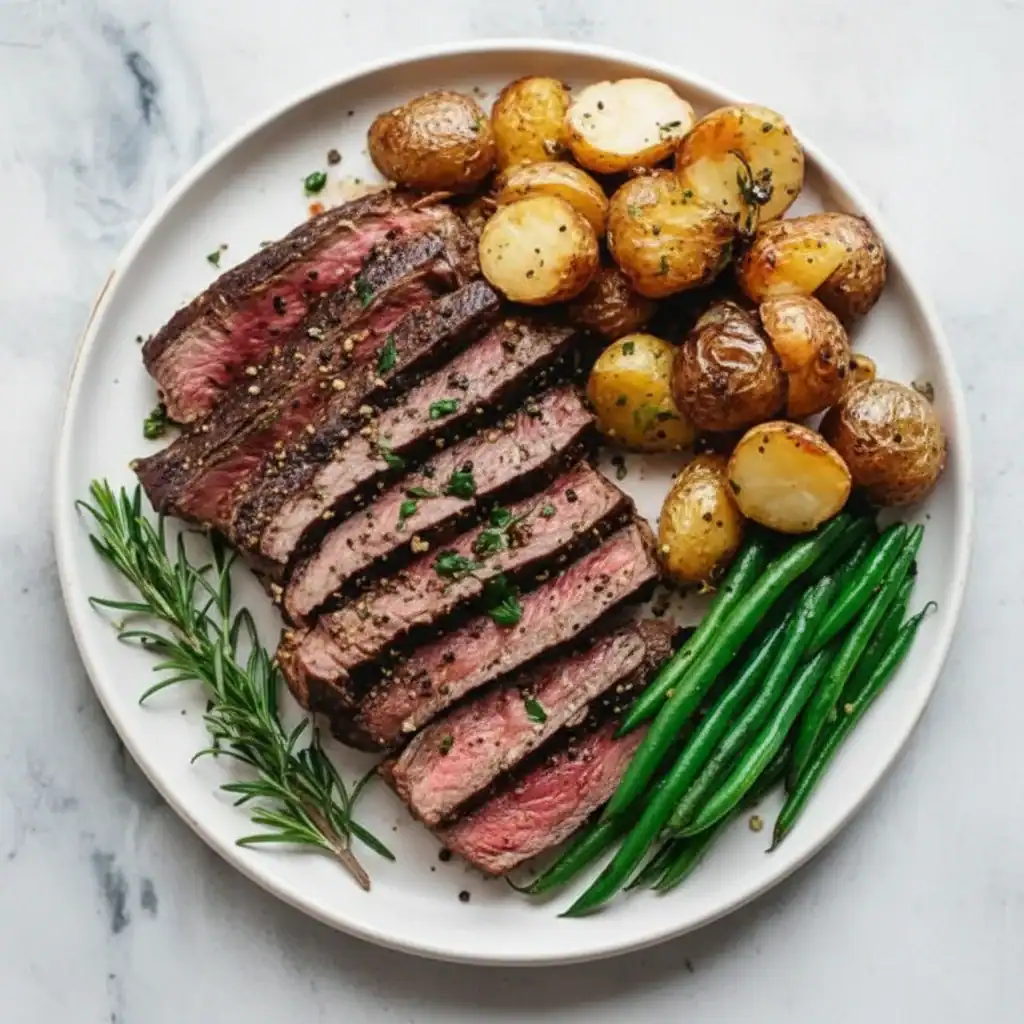
There is something immensely satisfying about placing a beautifully cooked piece of steak on the dinner table. For years, I found cooking a large piece of beef quite daunting, but this London Broil recipe completely changed that for me; it’s now my go-to for a special yet straightforward dinner. The name itself is a bit of a misnomer; as culinary historians will tell you, the term “London Broil” actually refers to the cooking method rather than a specific cut of meat, originating in North America, not London!
What makes this particular recipe stand out is the marinade. It’s a sublime blend of savoury, tangy, and aromatic ingredients that tenderises the beef and infuses it with so much character. When the steak hits the hot pan, the sugars in the marinade caramelise, creating an irresistible, dark crust while the inside remains tender and juicy. We’re not just making a steak; we’re creating an experience. The sizzle, the aroma filling the kitchen – it’s all part of the joy.
This dish works beautifully for a weekend family meal or when you have friends over and want to serve something impressive that doesn’t keep you tethered to the stove. It feels a bit luxurious but relies on a more affordable cut of beef, making it a brilliant choice for a delicious steak dinner that won’t break the bank. Paired with some simple sides, it’s a complete meal that always gets rave reviews.
Recipe Overview
This London Broil recipe focuses on a powerful, flavour-packed marinade to tenderise and season a lean cut of beef, which is then seared at a high temperature to create a perfect crust. The result is a juicy, flavourful steak that’s sliced thin to serve. After testing, I found that letting the steak marinate for at least four hours is non-negotiable for the best flavour and texture.
- Prep Time: 15 minutes
- Marinating Time: 4 hours (up to 24 hours)
- Cook Time: 10-15 minutes
- Total Time: 4 hours 30 minutes
- Servings: 4-6 people
- Difficulty: Easy
Why You’ll Love This London Broil Recipe
- Genuine Flavour: The marinade is the star here, with the deep umami of soy sauce, the rich tang of balsamic vinegar, a punch of fresh garlic, and a hint of sweetness from honey that all penetrate the beef beautifully.
- Ready in Under 30 Minutes: Once marinated, the active cooking process is remarkably swift, taking only about 15 minutes from pan to plate.
- Flexible Recipe: You can easily adapt the marinade. Try adding a teaspoon of Dijon mustard for extra tang, a few sprigs of fresh rosemary for an earthy note, or a pinch of red pepper flakes for a gentle warmth.
- Great for a Sunday Dinner: This recipe is ideal when you want to put a special meal on the table for the family. It feels like a treat but is much more hands-off than a traditional roast.
- Family Tested: My kids, who can be fussy about meat, absolutely love this. They always ask for the leftovers to be put in their sandwiches for school the next day!
Ingredients You’ll Need
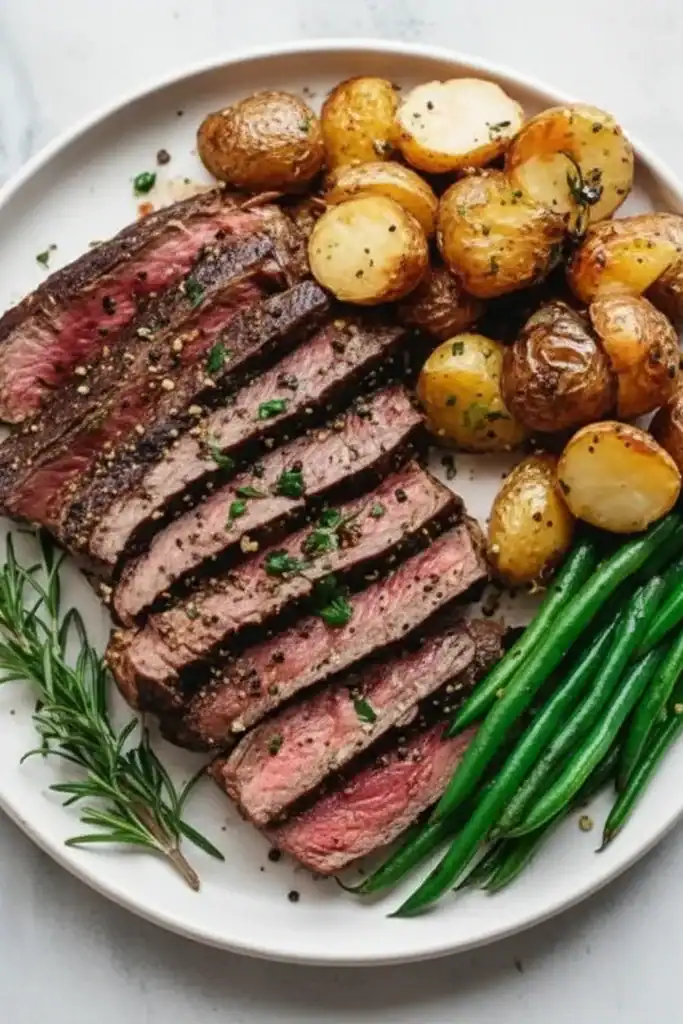
The magic of this recipe lies in simple, high-quality ingredients. For the balsamic vinegar, I always try to use a brand like Belazu; a good quality, thicker vinegar has a much more complex and less acidic taste that really elevates the marinade.
- For the Steak:
- 1 top round steak or flank steak (approx. 900g to 1.2kg), about 4-5cm thick
- For the Marinade:
- 120ml olive oil
- 80ml soy sauce (or tamari for gluten-free)
- 80ml balsamic vinegar
- 60ml Worcestershire sauce
- 2 tbsp honey or maple syrup
- 4-5 cloves garlic, minced
- 1 tbsp fresh ginger, grated
- 1 tsp black pepper, freshly ground
- 1 tsp dried oregano
Sara’s Tip: Don’t be afraid to let your steak come to room temperature for about 30-40 minutes before cooking. This helps it cook more evenly and ensures you get a fantastic sear without the centre remaining too cool.
How to Make This London Broil Recipe
The process is wonderfully straightforward. The key is to give the marinade enough time to work its magic and to cook the steak quickly at a high heat.
- Prepare the Marinade: In a medium mixing bowl, whisk together all the marinade ingredients: olive oil, soy sauce, balsamic vinegar, Worcestershire sauce, honey, minced garlic, grated ginger, black pepper, and dried oregano. Mix until the honey is fully dissolved and everything is well combined.
- Marinate the Steak: Place the steak in a large, resealable plastic bag or a shallow glass dish. Pour the marinade over the beef, ensuring it’s coated on all sides. Seal the bag (squeezing out any excess air) or cover the dish tightly.
- Chill and Wait: Place the steak in the refrigerator to marinate for at least 4 hours, or for best results, up to 24 hours. I find the sweet spot is around 6-8 hours. Turn the steak once or twice during marinating if you can.
- Prepare for Cooking: Remove the steak from the fridge about 30-40 minutes before you plan to cook it. Take it out of the marinade, letting any excess drip off, and pat it dry with paper towels. This step is crucial for getting a good crust! Discard the leftover marinade.
- Heat the Pan: Place a large cast-iron skillet, griddle pan, or heavy-bottomed frying pan over a high heat. Let it get screaming hot – you should see faint wisps of smoke. Add a small drizzle of neutral oil (like vegetable or rapeseed) to the pan.
- Sear the Steak: Carefully place the steak in the hot pan. You should hear a loud, satisfying sizzle. Cook for 5-7 minutes on the first side without moving it. This allows a deep, brown crust to form.
- Flip and Finish: Using tongs, flip the steak and cook for another 5-7 minutes on the second side for a medium-rare finish. A meat thermometer inserted into the thickest part should read 54-57°C. Adjust the time by a minute or two per side for rare or medium. What works best for me is relying on a thermometer for perfect results every time.
- Rest the Steak: This is the most important step! Transfer the cooked steak to a cutting board and let it rest for 10-15 minutes. This allows the juices to redistribute throughout the meat, ensuring every slice is succulent.
- Slice and Serve: After resting, slice the steak thinly against the grain. You’ll see the lines of the muscle fibres; you want to cut perpendicular to them. Serve immediately.
Tips From My Kitchen
- Temperature Control: Getting your pan extremely hot before the steak goes in is essential. This high heat instantly sears the surface, creating that delicious crust via the Maillard reaction and locking in the juices. A cooler pan will just steam the meat.
- The Secret Step: I learned that slicing against the grain is the absolute key to a tender steak dinner. It shortens the muscle fibres, making the meat much easier to chew. To see which way the grain runs, just look for the parallel lines running down the steak and slice across them. This guide from Serious Eats explains it perfectly.
- Make-Ahead: The marinade can be prepared and the steak can be left to marinate in the fridge up to 24 hours in advance. This makes it a fantastic option for entertaining as the hands-on work on the day is minimal.
- Storage: Leftover sliced steak can be stored in an airtight container in the refrigerator for up to 3 days. It’s fantastic cold in salads or sandwiches, or you can gently reheat it in a pan with a splash of broth.
Equipment You’ll Need
- Large cast-iron skillet or griddle pan
- Sharp carving knife and a large cutting board
- Large resealable bag or glass dish for marinating
- Tongs for flipping the steak
- Instant-read meat thermometer (highly recommended)
Common Mistakes to Avoid
- Not Patting the Steak Dry: A wet steak will steam in the pan instead of searing. Moisture is the enemy of a good crust, so use paper towels to pat the surface completely dry before it hits the heat.
- Cooking it Cold: Dropping a fridge-cold steak into a hot pan causes the muscle fibres to seize up, and it will cook unevenly. Letting it rest at room temperature for 30-40 minutes first makes a huge difference.
- Skipping the Rest Time: If you slice into the steak immediately, all the delicious juices will run out onto your cutting board. Resting for 10-15 minutes allows those juices to settle back into the meat, resulting in a much more succulent and flavourful bite. If you’re looking for other ways to get tender meat, check out this Juicy Chicken Recipe for some great tips.
What to Serve With This London Broil Recipe
This flavourful steak is versatile and pairs well with many side dishes. For an alternative main course idea that’s just as satisfying, you might enjoy my Lemon Garlic Chicken.
- Creamy Mashed Potatoes: The perfect vessel for catching any of the delicious steak juices. Their soft texture is a wonderful contrast to the seared beef.
- Roasted Asparagus with Parmesan: A simple, elegant side. Just toss asparagus spears with olive oil, salt, and pepper, roast until tender, and finish with a grating of fresh Parmesan.
- A Crisp Green Salad: A simple rocket and watercress salad with a sharp lemon vinaigrette helps to cut through the richness of the meat.
- Wine Pairing: A bold red wine like a Cabernet Sauvignon or a Malbec stands up well to the robust flavours of the beef and marinade.
Frequently Asked Questions
London Broil Recipe
Ingredients
Method
- Prepare the Marinade: In a medium mixing bowl, whisk together all the marinade ingredients: olive oil, soy sauce, balsamic vinegar, Worcestershire sauce, honey, minced garlic, grated ginger, black pepper, and dried oregano. Mix until the honey is fully dissolved and everything is well combined.
- Marinate the Steak: Place the steak in a large, resealable plastic bag or a shallow glass dish. Pour the marinade over the beef, ensuring it's coated on all sides. Seal the bag (squeezing out any excess air) or cover the dish tightly.
- Chill and Wait: Place the steak in the refrigerator to marinate for at least 4 hours, or for best results, up to 24 hours. I find the sweet spot is around 6-8 hours. Turn the steak once or twice during marinating if you can.
- Prepare for Cooking: Remove the steak from the fridge about 30-40 minutes before you plan to cook it. Take it out of the marinade, letting any excess drip off, and pat it dry with paper towels. This step is crucial for getting a good crust! Discard the leftover marinade.
- Heat the Pan: Place a large cast-iron skillet, griddle pan, or heavy-bottomed frying pan over a high heat. Let it get screaming hot – you should see faint wisps of smoke. Add a small drizzle of neutral oil (like vegetable or rapeseed) to the pan.
- Sear the Steak: Carefully place the steak in the hot pan. You should hear a loud, satisfying sizzle. Cook for 5-7 minutes on the first side without moving it. This allows a deep, brown crust to form.
- Flip and Finish: Using tongs, flip the steak and cook for another 5-7 minutes on the second side for a medium-rare finish. A meat thermometer inserted into the thickest part should read 54-57°C. Adjust the time by a minute or two per side for rare or medium. What works best for me is relying on a thermometer for perfect results every time.
- Rest the Steak: This is the most important step! Transfer the cooked steak to a cutting board and let it rest for 10-15 minutes. This allows the juices to redistribute throughout the meat, ensuring every slice is succulent.
- Slice and Serve: After resting, slice the steak thinly against the grain. You'll see the lines of the muscle fibres; you want to cut perpendicular to them. Serve immediately.
Notes
I really hope you give this London Broil recipe a go. It’s a fantastic way to enjoy a flavourful steak dinner that feels special enough for guests but is straightforward enough for a weeknight. Let me know how it turns out for you in the comments below – I love hearing about your experiences in the kitchen!
Happy cooking,
Sara