
Hearty Oatmeal Bread Recipe Loaf
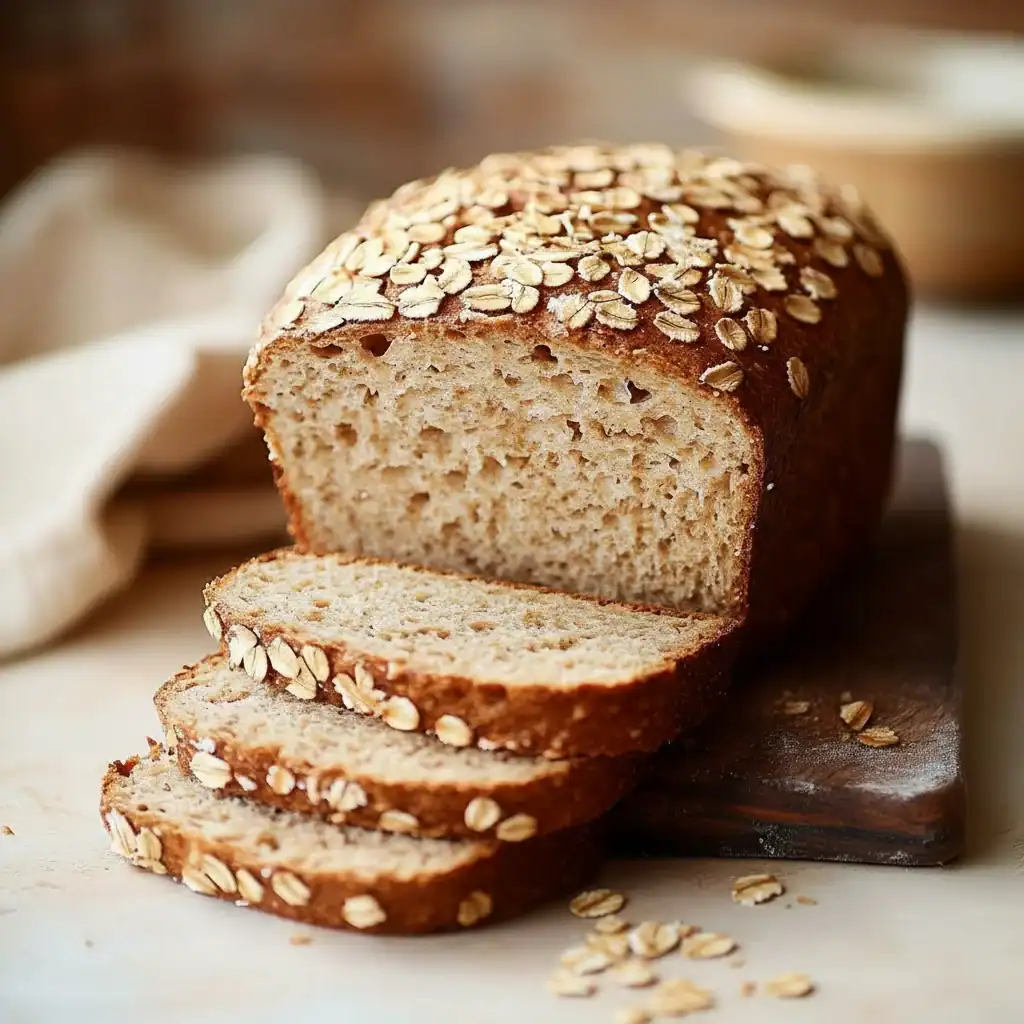
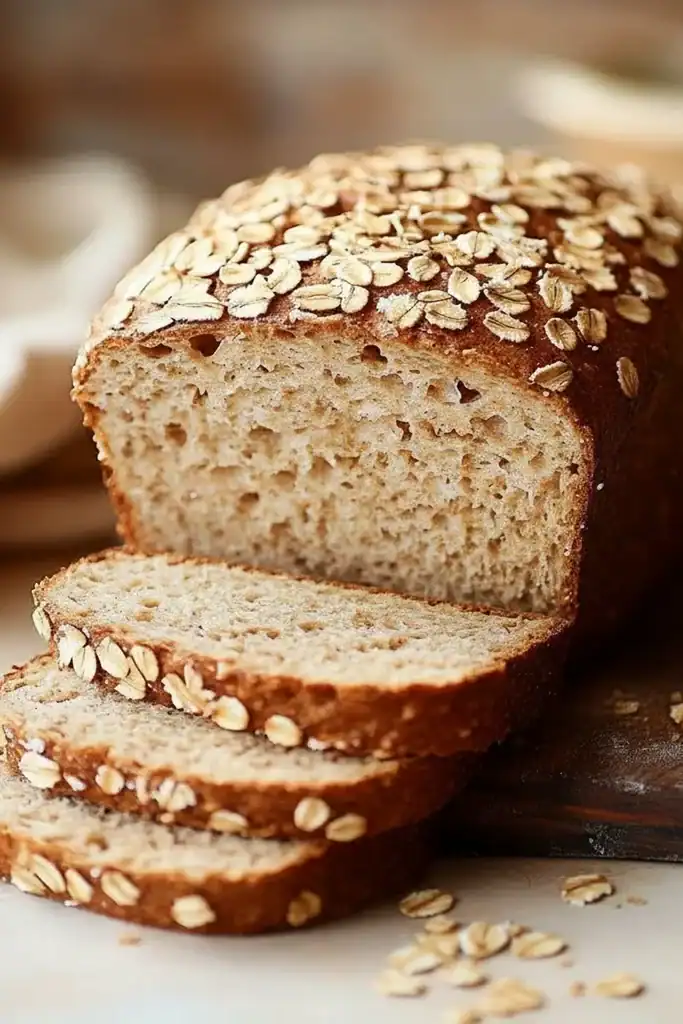
There is nothing quite like the aroma of freshly baked bread filling the house. It’s a scent that promises warmth, comfort, and something truly delicious to come. This Oatmeal Bread Recipe is the one I turn to time and time again, especially on a lazy Saturday morning. It produces a loaf that’s wonderfully soft and moist on the inside, with a slightly chewy, golden-brown crust and a wholesome, nutty flavour from the oats. My kids absolutely devour this every time I make it, often asking for a slice while it’s still warm from the oven.
What I adore about this particular bread recipe is its texture. Soaking the oats first ensures they become tender and integrate perfectly into the dough, creating a soft crumb that holds together beautifully. This makes it a fantastic all-rounder loaf. It’s sturdy enough for a proper sandwich without falling apart, yet soft enough to be enjoyed simply toasted with a generous spread of butter. It’s the kind of honest, satisfying bake that reminds us why making things from scratch is always worth the little bit of effort.
This recipe is ideal for anyone who wants to dip their toes into bread making or for seasoned bakers looking for a reliable, everyday loaf. The process is straightforward, and the results are consistently brilliant. It’s a recipe that feels both nourishing and a little bit special, perfect for sharing with people you love.
Recipe Overview
This Oatmeal Bread Recipe yields a beautifully soft, flavourful loaf with a slightly sweet, nutty taste from rolled oats and a touch of honey. The crumb is moist and tender, making it wonderful for toast or sandwiches. I’ve found that letting the dough have a full first proof is the key to achieving that light texture, so don’t be tempted to rush it.
- Prep Time: 25 minutes
- Proofing Time: 1 hour 30 minutes
- Cook Time: 35 minutes
- Total Time: 2 hours 30 minutes
- Servings: 1 loaf (about 12 slices)
- Difficulty: Medium
Why You’ll Love This Oatmeal Bread Recipe
- Genuine Flavour: This loaf has a lovely, complex taste. You get a subtle sweetness from the honey, a nutty depth from the oats, and a wholesome flavour from the blend of white and wholemeal flour. It’s a far cry from a bland supermarket loaf.
- Active Time is Under 30 Minutes: While the bread needs time to rise, the actual hands-on work of mixing, kneading, and shaping comes together in less than 30 minutes. The rest is just patient waiting!
- Flexible Recipe: This recipe is a brilliant base for customisation. Try adding 75g of sunflower seeds or chopped walnuts for extra crunch, or swap the honey for maple syrup for a slightly different sweetness.
- Great for Everyday Meals: It works beautifully for breakfast toast topped with jam, for packing a lunchbox sandwich, or for serving alongside a hearty bowl of soup. We often have it with a filling dinner like our Lemon Garlic Chicken to mop up the sauce.
- Family Tested: This is a staple in my kitchen. Everyone seems to love this loaf, from the little ones to the grown-ups. It always gets compliments for its soft texture and wholesome taste.
Ingredients You’ll Need
For this Oatmeal Bread, we’re using a combination of strong bread flour and a little wholemeal for structure and flavour. I always use Allinson’s Time Saver Yeast as I find it incredibly reliable. Make sure your milk and water are lukewarm—not hot—to gently wake up the yeast.
- 100g rolled oats, plus extra for topping
- 150ml boiling water
- 150ml whole milk, lukewarm
- 2 tbsp runny honey
- 40g unsalted butter, melted
- 350g strong white bread flour
- 100g wholemeal bread flour
- 1 tsp salt
- 7g sachet of fast-action dried yeast
- 1 egg, beaten (for egg wash)
Sara’s Tip: Don’t be tempted to use instant or porridge oats. Traditional rolled oats give the bread the best texture and a more distinct, nutty character.
How to Make Oatmeal Bread Recipe
The process begins by creating a simple “porridge” with the oats, which is the secret to a wonderfully moist loaf. From there, it’s a classic bread-making method of mixing, kneading, and proving. Trust the process, and you’ll be rewarded with a fantastic loaf of bread.
- Soak the Oats: In a large mixing bowl (or the bowl of your stand mixer), combine the 100g of rolled oats with 150ml of boiling water. Stir well and let it sit for about 15-20 minutes until the water is absorbed and the mixture has cooled to lukewarm.
- Combine Wet Ingredients: Once the oat mixture is cool, stir in the 150ml of lukewarm milk, 2 tbsp of honey, and 40g of melted butter. Mix until everything is well combined.
- Add Dry Ingredients: In a separate bowl, whisk together the strong white bread flour, wholemeal flour, 1 tsp of salt, and the 7g sachet of yeast. Add this dry mixture to the wet ingredients in the large bowl.
- Mix and Knead the Dough: Stir with a wooden spoon until a shaggy dough forms. If using a stand mixer, attach the dough hook and knead on a medium-low speed for 8-10 minutes. If kneading by hand, tip the dough onto a lightly floured surface and knead for a solid 10-12 minutes. What works best for me is setting a timer to ensure I knead for long enough. The dough should become smooth, elastic, and spring back when you gently poke it. For a great visual guide, you can find excellent videos on the technique of kneading dough.
- First Proof: Lightly oil the mixing bowl, place the dough inside, and turn it over to coat it lightly in oil. Cover the bowl with a clean tea towel or cling film and leave it in a warm, draught-free place for about 1 hour, or until it has doubled in size.
- Shape the Loaf: Grease and flour a 900g (2lb) loaf tin. Gently punch the air out of the risen dough and place it on your work surface. Pat it out into a rectangle roughly the width of your loaf tin. Roll it up tightly from one of the short ends, pinching the seam to seal it. Tuck the ends under slightly and place the loaf seam-side down in the prepared tin.
- Second Proof: Cover the loaf tin loosely with oiled cling film and leave it to rise again in a warm place for about 30-45 minutes, or until the dough has risen about 2-3cm above the rim of the tin.
- Bake the Bread: While the loaf is proving, preheat your oven to 200°C (180°C fan). Just before baking, gently brush the top of the loaf with the beaten egg and sprinkle over a few extra rolled oats.
- Cooling: Bake for 30-35 minutes, until the loaf is a deep golden brown and sounds hollow when you tap the bottom. If it starts to brown too quickly, you can cover it loosely with foil for the last 10 minutes. Transfer the loaf to a wire rack to cool completely before slicing. This is a crucial step for the texture, so be patient!
Tips From My Kitchen
- Temperature Control: Yeast is a living thing and is very sensitive to temperature. Your liquids (milk and water after soaking oats) should feel pleasantly warm to the touch, not hot. A warm kitchen or an airing cupboard is an ideal spot for proving your dough.
- The Secret Step: For an even deeper, nuttier flavour, try toasting the oats in a dry frying pan for a few minutes before soaking them. I learned that this simple step makes a huge difference to the final taste of the bread. Just watch them carefully as they can catch quickly!
- Make-Ahead: You can perform the first proof in the refrigerator overnight. After kneading, place the dough in an oiled bowl, cover, and chill for 8-12 hours. The next day, let it come to room temperature for about an hour before shaping and proceeding with the second proof.
- Storage: Store the cooled loaf in a bread bin or a paper bag at room temperature for up to 4 days. Avoid storing it in the fridge, as this will make it go stale faster. This bread also freezes brilliantly—simply slice it first so you can grab a piece whenever you need one.
Equipment You’ll Need
- Stand mixer with dough hook (optional, can be kneaded by hand)
- 900g (2lb) loaf tin
- Large mixing bowl
- Wire cooling rack
- Pastry brush
Delicious Variations to Try
One of the best things about this Oatmeal Bread Recipe is how adaptable it is. Here are a few variations I’ve enjoyed making:
- Cinnamon & Raisin Version: Add 1 tsp of ground cinnamon to the dry ingredients and knead in 100g of raisins or sultanas during the last minute of kneading. It makes for an amazing breakfast toast.
- Vegan Option: This is an easy swap. Use oat milk instead of dairy milk, maple syrup in place of the honey, and a good quality vegan butter or vegetable oil. It works wonderfully.
- Nut & Seed Loaf: For extra texture and nutrition, add a mix of 75g of sunflower seeds, pumpkin seeds, and chopped walnuts to the dough when you add the flour.
What to Serve With Oatmeal Bread Recipe
This versatile loaf goes with almost anything, but here are a few of our favourite pairings:
- With Soup: A thick slice is brilliant for dipping into a hearty vegetable soup or a creamy tomato soup.
- For Sandwiches: It makes a fantastic sandwich. Try it with a classic sharp cheddar and pickle, or with slices of roast meat. It’s a great bread for something substantial like our Black Pepper Chicken leftovers.
- Toasted for Breakfast: Simply served warm from the toaster with a thick layer of butter and a spoonful of your favourite jam or marmalade is a perfect start to the day.
Frequently Asked Questions
Oatmeal Bread
Ingredients
Method
- Soak the Oats: In a large mixing bowl (or the bowl of your stand mixer), combine the 100g of rolled oats with 150ml of boiling water. Stir well and let it sit for about 15-20 minutes until the water is absorbed and the mixture has cooled to lukewarm.
- Combine Wet Ingredients: Once the oat mixture is cool, stir in the 150ml of lukewarm milk, 2 tbsp of honey, and 40g of melted butter. Mix until everything is well combined.
- Add Dry Ingredients: In a separate bowl, whisk together the strong white bread flour, wholemeal flour, 1 tsp of salt, and the 7g sachet of yeast. Add this dry mixture to the wet ingredients in the large bowl.
- Mix and Knead the Dough: Stir with a wooden spoon until a shaggy dough forms. If using a stand mixer, attach the dough hook and knead on a medium-low speed for 8-10 minutes. If kneading by hand, tip the dough onto a lightly floured surface and knead for a solid 10-12 minutes. What works best for me is setting a timer to ensure I knead for long enough. The dough should become smooth, elastic, and spring back when you gently poke it. For a great visual guide, you can find excellent videos on the technique of kneading dough.
- First Proof: Lightly oil the mixing bowl, place the dough inside, and turn it over to coat it lightly in oil. Cover the bowl with a clean tea towel or cling film and leave it in a warm, draught-free place for about 1 hour, or until it has doubled in size.
- Shape the Loaf: Grease and flour a 900g (2lb) loaf tin. Gently punch the air out of the risen dough and place it on your work surface. Pat it out into a rectangle roughly the width of your loaf tin. Roll it up tightly from one of the short ends, pinching the seam to seal it. Tuck the ends under slightly and place the loaf seam-side down in the prepared tin.
- Second Proof: Cover the loaf tin loosely with oiled cling film and leave it to rise again in a warm place for about 30-45 minutes, or until the dough has risen about 2-3cm above the rim of the tin.
- Bake the Bread: While the loaf is proving, preheat your oven to 200°C (180°C fan). Just before baking, gently brush the top of the loaf with the beaten egg and sprinkle over a few extra rolled oats.
- Cooling: Bake for 30-35 minutes, until the loaf is a deep golden brown and sounds hollow when you tap the bottom. If it starts to brown too quickly, you can cover it loosely with foil for the last 10 minutes. Transfer the loaf to a wire rack to cool completely before slicing. This is a crucial step for the texture, so be patient!
Notes
I really hope you give this Oatmeal Bread Recipe a go in your own kitchen. There’s a special kind of satisfaction that comes from slicing into a loaf of bread you’ve made yourself. If you try it, please let me know how it turned out in the comments below. Happy baking!
– Sara