Flaky Baked Salmon Recipe for a Healthy Meal
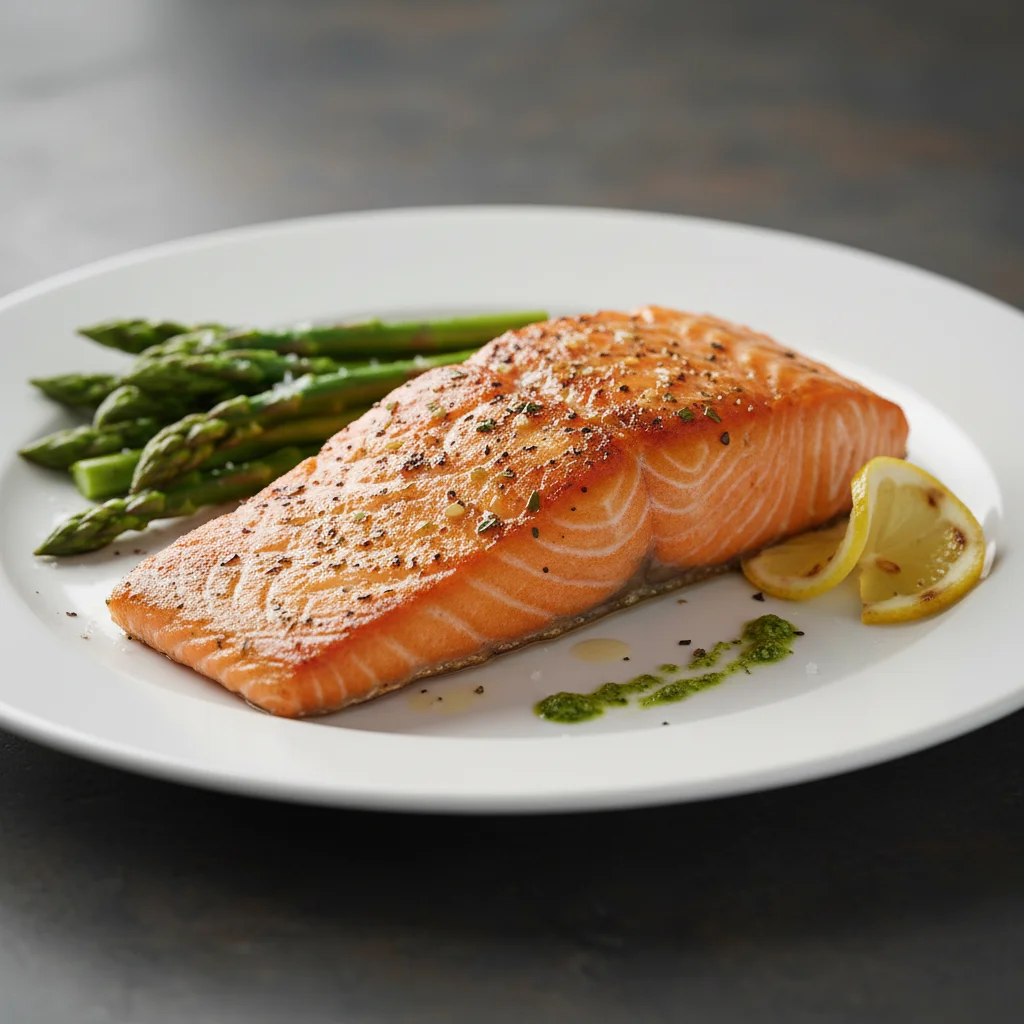
There’s something wonderfully satisfying about placing a perfectly cooked salmon dish on the dinner table. It feels elegant yet is one of the most straightforward meals we can make. This baked salmon recipe is the one I turn to time and time again, whether it’s for a busy Tuesday evening or when we have friends over on a Saturday. I stumbled upon this combination of honey and mustard with the classic lemon and dill by accident one evening when I was running low on other ingredients, and it’s been a hit ever since.
What makes this particular salmon recipe so special is the balance of flavours. We create a glaze that’s tangy from the lemon and Dijon mustard, slightly sweet from a touch of honey, and fragrant with fresh garlic and dill. As it bakes, this sauce caramelises slightly at the edges of the fish while keeping the centre incredibly moist and tender. The salmon flakes away beautifully with just the gentle pressure of a fork, each bite coated in that delicious, aromatic sauce.
This dish is ideal when you want something nourishing that doesn’t require hours of preparation. It comes together in about 25 minutes from start to finish, making it a reliable staple for anyone who appreciates good food without the fuss. My family always polishes their plates clean when this is on the menu, and I’m confident yours will too.
Recipe Overview
This baked salmon recipe delivers a tender, flaky fish with a vibrant, flavourful glaze. The sauce, a simple mix of melted butter, honey, Dijon mustard, garlic, and lemon, strikes a perfect harmony between sweet, savoury, and tangy. After testing this recipe five times, I finally got it just right—the key is not to over-bake it, ensuring the salmon remains succulent and moist.
- Prep Time: 10 minutes
- Cook Time: 12-15 minutes
- Total Time: 25 minutes
- Servings: 4 people
- Difficulty: Easy
Why You’ll Love This Baked Salmon Recipe
- Genuine Flavour: The combination of zesty lemon and sharp Dijon mustard cuts through the richness of the salmon, while honey adds a subtle sweetness that helps the top caramelise slightly under the heat. The fresh dill brings it all together with a lovely, herby freshness.
- Ready in Under 30 Minutes: From preheating the oven to plating up, this entire dish is ready in about 25 minutes. It’s a brilliant option for those evenings when time is short but you still want a wholesome, home-cooked meal.
- Flexible Recipe: Don’t have dill? Fresh parsley or chives work beautifully. You can also swap the honey for maple syrup for a slightly different flavour profile. It’s a very forgiving and adaptable recipe.
- Great for Weeknights and Guests: This salmon recipe is straightforward enough for a mid-week dinner but also elegant enough to serve when you have company. It always gets compliments.
- Family Tested: My kids, who can be fussy about fish, absolutely love the slightly sweet and tangy glaze on this salmon. It’s one of the few fish dishes that never results in any leftovers in our house!
Ingredients You’ll Need
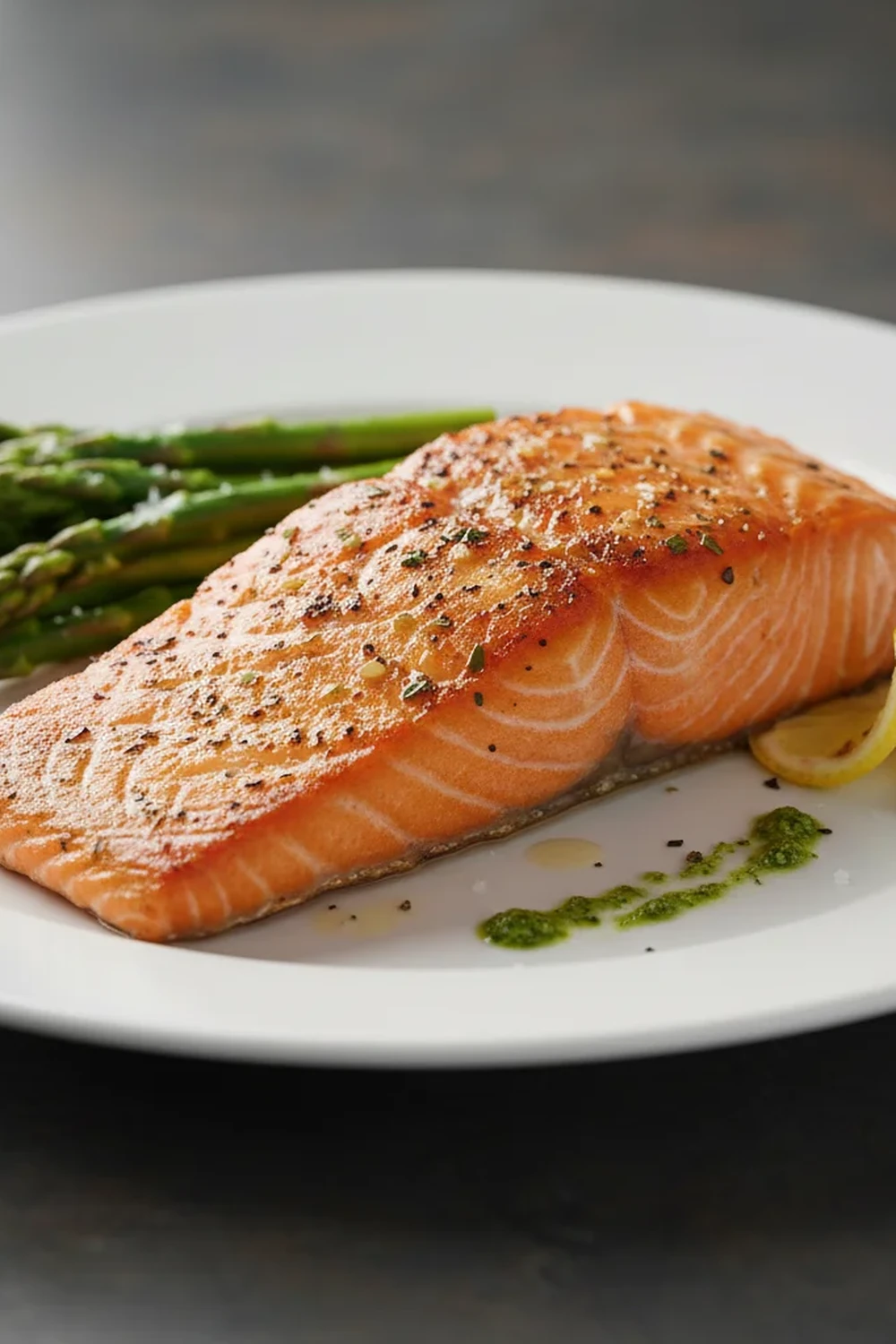
For this recipe, I recommend using salmon fillets that are roughly the same thickness to ensure they cook evenly. When I can, I buy skin-on salmon fillets as the skin helps protect the fish from drying out and gets wonderfully crisp. Just remember to place them skin-side down.
- 4 salmon fillets (around 170g each), skin-on or off
- 2 tbsp unsalted butter, melted
- 1 tbsp honey
- 1 tbsp Dijon mustard
- 2 cloves of garlic, minced
- 1 lemon, half juiced, half sliced into thin rounds
- 2 tbsp fresh dill, chopped
- 1/2 tsp sea salt
- 1/4 tsp black pepper, freshly ground
- 1 tbsp olive oil
Sara’s Tip: Don’t be tempted to use bottled lemon juice. The flavour of a freshly squeezed lemon is so much brighter and makes a noticeable difference in the final taste of the sauce.
How to Make This Baked Salmon Recipe
The process for this salmon recipe is very straightforward. We simply whisk together a flavourful sauce, pour it over the salmon, and let the oven do all the work.
- Preheat and Prepare: Preheat your oven to 200°C (180°C fan). Line a baking tray with baking parchment. This makes clean-up so much easier!
- Prepare the Salmon: Pat the salmon fillets dry with a paper towel. This helps the skin get crispier and allows the sauce to adhere better. Place the fillets on the prepared baking tray, leaving a little space between each one.
- Make the Sauce: In a small bowl, whisk together the melted butter, honey, Dijon mustard, minced garlic, and the juice from half of the lemon. Stir until everything is well combined.
- Season the Fish: Drizzle the salmon fillets with olive oil and season generously with sea salt and black pepper on all sides.
- Glaze the Salmon: Pour the honey-mustard sauce evenly over the top of each salmon fillet. I use the back of a spoon to make sure it’s fully coated.
- Add Aromatics: Arrange the thin lemon slices on and around the salmon fillets. Sprinkle the chopped fresh dill over the top. What works best for me is creating a little ‘boat’ with the parchment paper around the salmon, which helps trap steam and keep the fish extra moist.
- Bake to Perfection: Place the baking tray in the preheated oven and bake for 12-15 minutes. The exact time will depend on the thickness of your fillets. The salmon is cooked when it’s opaque and flakes easily with a fork.
- Rest and Serve: Carefully remove the tray from the oven. Let the salmon rest on the tray for a couple of minutes before serving. This allows the juices to redistribute, resulting in a more tender fillet.
Tips From My Kitchen
- Temperature Control: The single biggest mistake with salmon is overcooking it. Keep a close eye on it. The internal temperature should be around 55-60°C for a medium cook. You can check this with a food thermometer, or by seeing if it flakes easily. For guidance on cooking fish safely, the Food Standards Agency offers helpful advice.
- The Secret Step: I learned that letting the salmon sit with the sauce on it for just 10 minutes at room temperature before baking allows the flavours to penetrate the fish a little more deeply. It’s a small step that makes a real difference.
- Make-Ahead: You can whisk the sauce together up to 2 days in advance. Store it in an airtight container in the fridge. Just let it come to room temperature or gently warm it before pouring over the salmon.
- Storage: Leftover baked salmon can be stored in an airtight container in the fridge for up to 2 days. It’s delicious cold in a salad or flaked into pasta. I avoid reheating it in the microwave, as it can become dry; a few minutes in a low oven is better.
Common Mistakes to Avoid
- Overcrowding the pan: Don’t place the salmon fillets too close together on the baking tray. They need space for the hot air to circulate, which ensures they bake evenly rather than steam. Leave at least an inch between each fillet.
- Wrong temperature: A hot oven (200°C) is key. If the temperature is too low, the salmon will take longer to cook through and can dry out. Too high, and the glaze might burn before the fish is cooked.
- Skipping the rest time: It might be tempting to serve it straight from the oven, but letting the salmon rest for 2-3 minutes is crucial. This short pause allows the juices to settle back into the fish, making every bite more succulent.
Delicious Variations to Try
Once you’ve mastered the basic recipe, it’s fun to experiment. Here are a few variations we enjoy:
- Spicy Version: Add 1/2 teaspoon of red chilli flakes to the sauce for a gentle background heat that works wonderfully with the honey and lemon.
- Herb Swaps: If you’re not a fan of dill, fresh parsley, chives, or even a little bit of thyme can be substituted. Each herb brings its own unique character to the dish.
- Different Protein: This honey-mustard glaze is also fantastic with chicken. If you’re planning your meals for the week, you might also like my Lemon Garlic Chicken, which uses a similar flavour profile.
What to Serve With This Baked Salmon Recipe
This salmon is versatile and pairs well with many side dishes. Here are some of my go-to combinations:
- Roasted Asparagus and New Potatoes: Toss some asparagus spears and baby potatoes in olive oil, salt, and pepper, and you can roast them on the same tray as the salmon for a complete one-pan meal.
- A Simple Green Salad: A crisp green salad with a light vinaigrette provides a fresh, clean contrast to the rich flavour of the salmon.
- Quinoa or Couscous: A fluffy bed of quinoa or couscous is great for soaking up any extra sauce from the pan. For another simple side dish idea, check out the rice in these Sticky Chicken Rice Bowls.
- Drink Pairing: A chilled glass of Sauvignon Blanc or Pinot Grigio cuts through the richness of the fish beautifully. For a non-alcoholic option, sparkling water with a slice of lemon is wonderfully refreshing.
Frequently Asked Questions
Baked Salmon with Honey Dijon Glaze
Ingredients
Method
- Preheat and Prepare: Preheat your oven to 200°C (180°C fan). Line a baking tray with baking parchment. This makes clean-up so much easier!
- Prepare the Salmon: Pat the salmon fillets dry with a paper towel. This helps the skin get crispier and allows the sauce to adhere better. Place the fillets on the prepared baking tray, leaving a little space between each one.
- Make the Sauce: In a small bowl, whisk together the melted butter, honey, Dijon mustard, minced garlic, and the juice from half of the lemon. Stir until everything is well combined.
- Season the Fish: Drizzle the salmon fillets with olive oil and season generously with sea salt and black pepper on all sides.
- Glaze the Salmon: Pour the honey-mustard sauce evenly over the top of each salmon fillet. I use the back of a spoon to make sure it's fully coated.
- Add Aromatics: Arrange the thin lemon slices on and around the salmon fillets. Sprinkle the chopped fresh dill over the top. What works best for me is creating a little 'boat' with the parchment paper around the salmon, which helps trap steam and keep the fish extra moist.
- Bake to Perfection: Place the baking tray in the preheated oven and bake for 12-15 minutes. The exact time will depend on the thickness of your fillets. The salmon is cooked when it's opaque and flakes easily with a fork.
- Rest and Serve: Carefully remove the tray from the oven. Let the salmon rest on the tray for a couple of minutes before serving. This allows the juices to redistribute, resulting in a more tender fillet.
Notes
I really hope you enjoy this baked salmon recipe as much as we do in my home. It’s a dish that proves that delicious, healthy, and elegant food doesn’t have to be complicated. If you give it a try, I’d love to hear how it turned out for you. Please leave a comment below and let me know! Happy cooking, Sara.