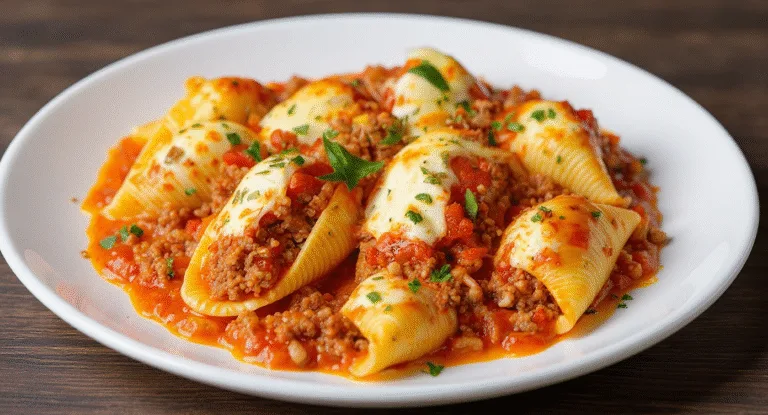
Classic Lasagna Recipe for a Weekend Dinner

There is something truly special about placing a deep, bubbling dish of homemade lasagna on the dinner table. It’s more than just a meal; it’s a gesture of love and care, a promise of a deeply satisfying dinner. The aroma alone—of rich, slow-simmered meat sauce, creamy béchamel, and sharp, melting cheese—is enough to make everyone gather in the kitchen. This particular lasagna recipe is one I’ve been perfecting for years. This was inspired by a dish I had at a little restaurant in Italy, tucked away on a cobbled side street in Bologna, where the layers were impossibly thin and the flavour was immense.
What makes this version stand out is the balance. The ragù isn’t just a simple mince sauce; it’s a deeply savoury, complex base built on a classic soffritto, enriched with red wine, and simmered slowly until the flavours have melded beautifully. We then layer it with a silky, nutmeg-kissed béchamel sauce, which adds a luxurious creaminess that cuts through the richness of the meat. Topped with a generous blanket of mozzarella and Parmesan, it bakes to a glorious golden-brown, with those irresistible crispy edges that everyone fights over.
This is the kind of dish that works beautifully for a relaxed Sunday lunch with family, or when you want to prepare a comforting meal for friends. It takes a little time, yes, but every moment spent is returned tenfold in flavour. It’s a recipe that always gets compliments, and I’m so excited to share my method with you.
Recipe Overview
This lasagna recipe delivers distinct layers of a rich, savoury beef ragù and a smooth, creamy béchamel sauce, all baked until the cheese topping is golden and bubbling. It’s a substantial, flavourful dish that feels like a real treat. After testing this recipe five times, I finally got the liquid ratios in the sauces just right to ensure the pasta cooks perfectly without becoming dry or sloppy.
- Prep Time: 45 minutes
- Cook Time: 45 minutes
- Total Time: 1 hour 30 minutes
- Servings: 6-8 people
- Difficulty: Medium
Why You’ll Love This Lasagna Recipe
- Genuine Flavour: The beef ragù is slow-simmered for nearly an hour with red wine and herbs, creating a sauce with a wonderful depth of flavour that you just can’t achieve with a quicker method.
- Ready in 90 Minutes: While it tastes like it’s been cooking all day, the entire dish comes together in about an hour and a half, with much of that time being hands-off simmering and baking.
- Flexible Recipe: This recipe is very adaptable. We often add finely diced mushrooms or courgettes to the ragù for extra vegetables. You can also swap the beef mince for a mix of pork and veal for an even richer taste.
- Great for a Weekend Feast: It’s a fantastic centrepiece for a family gathering or a special weekend meal. It can be assembled ahead of time, which is a huge help when you’re entertaining.
- Family Tested: My whole family adores this dish. The children love the cheesy top, and my husband always remarks on how flavourful the sauce is. It’s one of those recipes that disappears fast!

Ingredients You’ll Need
For the best results, I recommend using good-quality ingredients, especially the tinned tomatoes. I find that brands like Mutti or Cirio give the ragù a much sweeter, less acidic flavour. Using whole milk for the béchamel is also non-negotiable for a truly creamy sauce.
- For the Ragù:
- 2 tbsp olive oil
- 1 large onion, finely chopped
- 2 carrots, finely chopped
- 2 celery sticks, finely chopped
- 2 cloves garlic, crushed
- 500g lean beef mince
- 100g pancetta, diced
- 150ml dry red wine (like a Chianti or Merlot)
- 2 x 400g tins of chopped tomatoes
- 250ml beef stock
- 1 tsp dried oregano
- 1 bay leaf
- Salt and freshly ground black pepper
- For the Béchamel Sauce:
- 70g unsalted butter
- 70g plain flour
- 1 litre whole milk
- A generous grating of fresh nutmeg
- 50g Parmesan cheese, finely grated
- For Assembly:
- Approx. 12 dried no-cook lasagna sheets
- 125g ball of mozzarella, torn or roughly chopped
- 50g Parmesan cheese, finely grated
Sara’s Tip: Always grate your own Parmesan from a block. The pre-grated kind you buy in packets often contains anti-caking agents which can prevent it from melting smoothly into your sauce, sometimes resulting in a slightly gritty texture.
How to Make Lasagna Recipe
The process involves three main stages: making the ragù, preparing the béchamel, and then assembling the layers. Don’t rush the simmering time for the ragù—that’s where all the flavour develops. If you enjoy making sauces, you might also like my Garlic Parmesan Chicken Pasta Recipe.
- Start the Ragù: Heat the olive oil in a large, heavy-based pan or Dutch oven over a medium heat. Add the onion, carrots, and celery (this mix is called a soffritto) and cook gently for 10-12 minutes, until softened and sweet. Add the crushed garlic and cook for one more minute.
- Brown the Meat: Turn up the heat, add the beef mince and diced pancetta to the pan. Break up the mince with a wooden spoon and cook for 5-7 minutes, until browned all over.
- Deglaze and Simmer: Pour in the red wine and let it bubble away, scraping any browned bits from the bottom of the pan. Once the wine has mostly evaporated, stir in the tinned tomatoes, beef stock, oregano, and the bay leaf. Season with salt and pepper, bring to a simmer, then reduce the heat to low, cover, and let it cook gently for at least 45 minutes, or up to an hour, stirring occasionally. The longer it simmers, the richer it will be.
- Make the Béchamel Sauce: While the ragù simmers, make the béchamel. Melt the butter in a medium saucepan over a low-medium heat. Whisk in the flour and cook for 1-2 minutes to form a paste (this is a roux). Gradually pour in the milk, a little at a time, whisking constantly to prevent lumps. Once all the milk is incorporated, turn up the heat slightly and bring the sauce to a gentle simmer, stirring until it has thickened enough to coat the back of a spoon. Remove from the heat and stir in the grated nutmeg and 50g of Parmesan. Season to taste.
- Preheat Oven and Prepare Dish: Preheat your oven to 180°C (160°C fan). Lightly grease a large rectangular oven dish (approximately 20x30cm).
- Assemble the Lasagna: Now it’s time to build the layers. What works best for me is this order:
- Start with a thin layer of ragù on the bottom of the dish.
- Cover with a single layer of lasagna sheets, overlapping slightly.
- Spread over a third of the remaining ragù.
- Top with a quarter of the béchamel sauce.
- Repeat these layers two more times: pasta, ragù, béchamel.
- Finish with a final layer of pasta sheets, the last of the béchamel, and scatter the torn mozzarella and remaining 50g of grated Parmesan over the top.
- Bake Until Golden: Place the dish on a baking tray (to catch any potential spills) and bake for 35-45 minutes, until the top is golden brown, bubbling, and the pasta is cooked through. You can check the pasta is cooked by inserting a sharp knife into the centre.
- Rest Before Serving: This is a crucial step! Let the lasagna rest for at least 10-15 minutes before cutting and serving. This allows the layers to set, making it much easier to serve neat slices.
Tips From My Kitchen
- Temperature Control: When making the béchamel, gently warming the milk in the microwave or a separate pan before adding it to the roux helps create a smoother, lump-free sauce. It’s a simple trick that makes a big difference.
- The Secret Step: I learned that once the ragù is cooked, taking it off the heat and letting it sit for 10-15 minutes before you start assembling allows the flavours to settle and deepens the taste even further.
- Make-Ahead: Both the ragù and béchamel can be made up to two days in advance and stored in the fridge. You can also fully assemble the lasagna (before baking), cover it tightly with cling film, and refrigerate it for up to 24 hours. Just add about 10-15 minutes to the baking time if cooking from chilled.
- Storage: Leftover lasagna keeps well. Once completely cool, cover the dish or transfer slices to an airtight container and refrigerate for up to 4 days. It also freezes exceptionally well for up to 3 months.
Common Mistakes to Avoid
- Overcrowding the pan: When you add the mince, make sure your pan is hot and don’t overcrowd it. If necessary, brown the meat in two batches. This ensures it fries and becomes brown and flavourful, rather than steaming and turning grey.
- Wrong temperature: Baking at too high a temperature can cause the top to burn before the centre is hot and bubbling. Stick to 180°C (160°C fan) for an even cook. If the top is browning too quickly, you can cover it loosely with foil for the last 10-15 minutes of baking.
- Skipping the rest time: I can’t stress this enough! A hot-from-the-oven lasagna will collapse into a soupy mess when you try to slice it. That 10-15 minute rest allows the sauces to be absorbed by the pasta and for everything to set. It will still be plenty hot when you serve it.
What to Serve With Lasagna Recipe
Because this lasagna recipe is so rich and satisfying, it doesn’t need much alongside it. Simple accompaniments that complement its flavour work best.
- A Crisp Green Salad: A simple salad of mixed leaves, cucumber, and cherry tomatoes with a sharp lemon vinaigrette is ideal for cutting through the richness of the cheese and meat sauce.
- Crusty Garlic Bread: Perfect for mopping up every last bit of the delicious sauce from your plate.
- Wine Pairing: A medium-bodied Italian red wine, such as a Chianti Classico or a Barbera, has the right acidity and fruitiness to stand up to the hearty ragù.
Frequently Asked Questions
Lasagna Recipe
Ingredients
Method
- Start the Ragù: Heat the olive oil in a large, heavy-based pan or Dutch oven over a medium heat. Add the onion, carrots, and celery (this mix is called a soffritto) and cook gently for 10-12 minutes, until softened and sweet. Add the crushed garlic and cook for one more minute.
- Brown the Meat: Turn up the heat, add the beef mince and diced pancetta to the pan. Break up the mince with a wooden spoon and cook for 5-7 minutes, until browned all over.
- Deglaze and Simmer: Pour in the red wine and let it bubble away, scraping any browned bits from the bottom of the pan. Once the wine has mostly evaporated, stir in the tinned tomatoes, beef stock, oregano, and the bay leaf. Season with salt and pepper, bring to a simmer, then reduce the heat to low, cover, and let it cook gently for at least 45 minutes, or up to an hour, stirring occasionally. The longer it simmers, the richer it will be.
- Make the Béchamel Sauce: While the ragù simmers, make the béchamel. Melt the butter in a medium saucepan over a low-medium heat. Whisk in the flour and cook for 1-2 minutes to form a paste (this is a roux). Gradually pour in the milk, a little at a time, whisking constantly to prevent lumps. Once all the milk is incorporated, turn up the heat slightly and bring the sauce to a gentle simmer, stirring until it has thickened enough to coat the back of a spoon. Remove from the heat and stir in the grated nutmeg and 50g of Parmesan. Season to taste.
- Preheat Oven and Prepare Dish: Preheat your oven to 180°C (160°C fan). Lightly grease a large rectangular oven dish (approximately 20x30cm).
- Assemble the Lasagna: Now it's time to build the layers. What works best for me is this order: Start with a thin layer of ragù on the bottom of the dish.
- Cover with a single layer of lasagna sheets, overlapping slightly.
- Spread over a third of the remaining ragù.
- Top with a quarter of the béchamel sauce.
- Repeat these layers two more times: pasta, ragù, béchamel.
- Finish with a final layer of pasta sheets, the last of the béchamel, and scatter the torn mozzarella and remaining 50g of grated Parmesan over the top.
- Bake Until Golden: Place the dish on a baking tray (to catch any potential spills) and bake for 35-45 minutes, until the top is golden brown, bubbling, and the pasta is cooked through. You can check the pasta is cooked by inserting a sharp knife into the centre.
- Rest Before Serving: This is a crucial step! Let the lasagna rest for at least 10-15 minutes before cutting and serving. This allows the layers to set, making it much easier to serve neat slices.
Notes
I truly hope you enjoy making this lasagna. It’s a labour of love, but the result is a deeply comforting and delicious meal that is worth every bit of effort. It’s the kind of cooking that makes a house feel like a home. If you’re looking for another comforting family dinner, my Low Carb Chicken Casserole is another one we make regularly. Please let me know how you get on in the comments below – I love hearing from you! Happy cooking, Sara.